

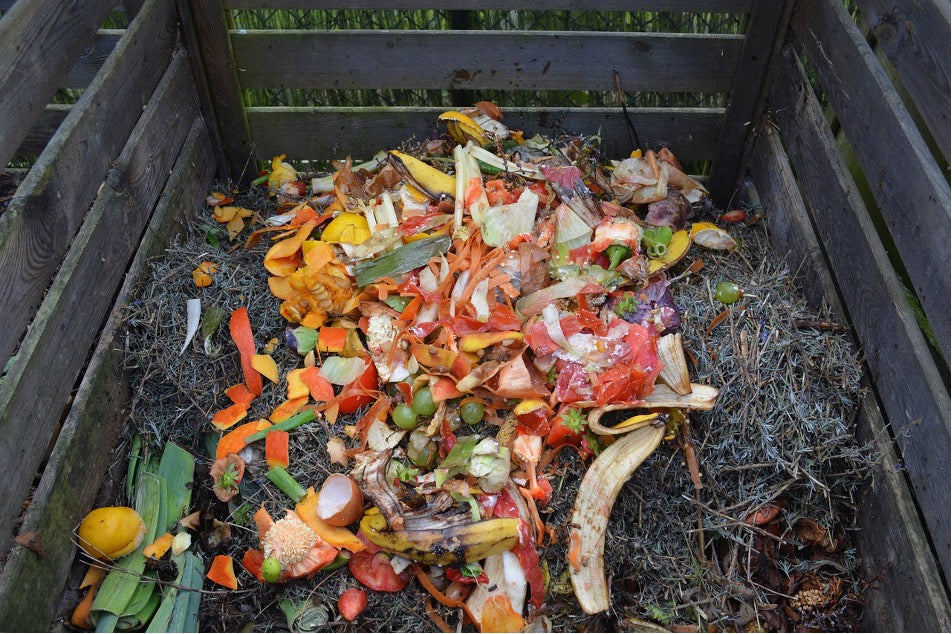
Compost is often called “black gold” for gardeners, and for good reason. It transforms kitchen scraps, yard waste, and more into a nutrient-rich amendment for your soil, boosting microbial life, improving structure, and helping plants thrive naturally. Composting at home is simple, eco-friendly, and cost-effective, here’s everything you need to know to get started.
Why Compost?
Composting recycles organic waste into a natural fertilizer, returning nutrients to the soil in a form plants can easily absorb. Regular use of compost supports a healthy garden ecosystem, which means fewer synthetic inputs, less waste heading to landfills, and better results for your veggies, flowers, and lawns.

What Can Be Composted?
Effective composting requires the right mix of “greens” and “browns.” Greens are nitrogen-rich fresh materials, like grass clippings, fruit and vegetable scraps, coffee grounds, and fresh plant pruning’s. Browns are carbon-rich dry materials, such as dead leaves, straw, twigs, shredded newspaper, cardboard, and wood chips.
Aim for at least twice as many browns as greens to keep your pile balanced. Ultimately, you are trying to optimize the ratio of carbon to nitrogen for the soil microbes with this approach. Avoid adding meats, dairy, fats, or anything treated with chemicals, as these can attract pests.

Setting Up Your Compost Pile or Bin
You can compost in open piles, bins, or tumblers. Open piles are easy but may look untidy; bins provide containment and some pest protection; tumblers make turning easier and speed decomposition.
Choose a location with good drainage, sun or shade both work. A 3x3x3 foot pile is ideal for heat retention, but smaller bins are fine for tight spaces. Raise piles off the ground to improve airflow, and avoid placing bins right next to fences or buildings for easy access.

Image: “A simple compost bin can be built from pallets or wire mesh—easy and affordable for any gardener.”
Building (and Layering) Your Compost Pile
Use the “lasagna layering” technique:
- Lay a base of coarse browns (twigs, stalks) for airflow.
- Alternate layers of greens and browns, with browns always thicker.
- Add water to keep the pile moist but never soaked.
- Add a scoop of garden soil occasionally to introduce beneficial microbes.
- Chop or shred materials for faster breakdown.
Always keep food scraps covered by 4-8 inches of browns to prevent odors and pests [4][1].

Image: “Layer browns and greens for effective decomposition and odor control.”
Maintaining Your Compost
Turn or mix your pile regularly, every 1-2 weeks is ideal, to aerate and speed up the breakdown. Use a garden fork, compost turner, or a tumbler for this job. Turning keeps the pile heating up and brings oxygen to the hardworking microbes.
Keep your pile moist, like a wrung-out sponge. Too dry and it stalls; too wet and it becomes slimy. In hot, dry weather, add water as needed.

Image: “Turning your compost pile boosts oxygen and speeds up the creation of rich organic matter.”
How Long Does It Take?
Compost typically takes 2–6 months to mature, depending on weather, ingredients, and frequency of turning. In my experience, if you have a ‘lazy’ compost pile that is not turned frequently or paid much attention to, you can still expect good finished compost in about 12 months. Once the pile is dark, crumbly, with an earthy smell and no recognizable kitchen scraps, it’s ready. Let the finished pile rest for a few months after the last addition for best quality.

Image: “Mature compost looks dark, crumbly, and smells pleasantly earthy—it’s ready to feed your garden.”
Using Compost in Your Garden
Finished compost is an organic powerhouse for every part of your garden. Spread 1–3 inches on top of vegetable beds, mix it into planting holes, or work into the soil before sowing. Compost is fantastic for starting seeds, mulching perennials, amending raised beds, and improving lawn health.
- Boosts nutrient content for flowers, food crops, and lawns.
- Improves soil structure and water retention.
- Increases populations of beneficial soil microbes.
- Reduces plant stress and disease susceptibility.

Image: “Use compost as mulch, planting medium, or soil amendment to boost plant health across your garden.”
One question that often gets asked is “If I add compost, do I still need to fertilize?” The answer to this question varies to some extent, but most often the answer is ‘yes’. Compost certainly contains nutrients, but these nutrient levels typically are not enough, and don’t release at the correct time, to fully support a high density planting that is often found in our gardens. A simple MySoil soil test kit used after compost is incorporated will provide guidance on the correct fertilizer and amount to add for your garden as a supplement to your compost additions.
Troubleshooting Common Composting Challenges
Problems like odor, slow breakdown, or pests are often due to too many greens, not enough turning, or overly wet piles. Fix by adding more browns, turning the pile, and balancing moisture. Avoid adding meat, dairy, or oily foods; if time and location allow, keep the pile covered during heavy rain.

Image: “To solve odor or soggy compost, simply add more dry, carbon-rich browns.”
Composting Is Easy—Get Started Today!
Compost is simple, forgiving, and endlessly rewarding. Start small with a pile or bin, feed it with your household and garden scraps, and turn regularly. In months, you’ll create a natural soil amendment that feeds your garden, supports microbes, and shrinks your waste footprint, all for free.

Image: “Homemade compost: nature’s best fertilizer for a healthy, sustainable garden.”
By mastering the basics of composting, you unlock the secret to sustainable gardening—one pile at a time.
Share:
How Organic Fertilizer Boosts Soil Health and Microbial Life