

Organic Fertilizer for Container and Raised Bed Gardens: The Key to Healthier Plants
Growing edible crops and flowers in containers and raised beds is a favorite strategy for home gardeners, urban growers, and anyone seeking fresh produce on patios or balconies. Organic fertilizers are an essential ingredient in these systems, ensuring plants get the nutrients they need while supporting soil health, beneficial microbes, and environmental sustainability.
Why Organic Fertilizer Matters in Containers and Raised Beds
Unlike traditional in-ground gardens, containers and raised beds hold limited volumes of soil that quickly lose nutrients through watering, root uptake, and breakdown. Organic fertilizers replenish these nutrients naturally while improving soil texture, boosting microbial life, and reducing risks of crusting or compaction.
-
Organic fertilizers build long-term nutrition, enhancing plant resilience and yields.
-
Synthetic fertilizers may feed plants fast, but do little for overall soil health and can risk over-fertilization.

Image: “Organic fertilizer helps restore depleted nutrients and supports healthy soil structure in containers and raised beds.”
Best Types of Organic Fertilizers for Small Spaces
Selecting the ideal organic amendment depends on your plants’ needs and local conditions. Top options include:
Organic Amendments:
-
Compost: Adds organic matter, improves moisture retention, and feeds microbes.
-
Worm castings: Packed with nutrients and beneficial organisms, ideal for seed starting or mixing into potting soil.
-
Biochar: Helps retain water and nutrients in the soil, ideal addition when leaching is a concern.
Organic Fertilizers:
-
Origin 8-3-5 – Complete fertilizer great for use at planting, seeding, or transplanting. Contains all three macronutrients needed to get plants started. Composed of Feather meal, meat and bone meal, blood meal, and langbeinite to supply nutrients slowly but consistently to match plant demand.
-
Origin 13-0-0 – Great option to supply nitrogen during vegetative growth and great for soils that are already rich in phosphorus and potassium. Composed of feather meal, meat meal, and blood meal to supply nitrogen slowly but consistently to match plant demand.
-
Origin 9-0-9 – Potassium is consumed in high levels during fruit set and fill. This fertilizer is great for applications at bloom and fruit set. This fertilizer is also a zero phosphorus option if you are near environmentally sensitive areas or have concerns of leaching. Composed of feather meal, meat meal, blood meal, and sulfate of potash.
Rotate these OMRI approved fertilizers throughout the growing season to provide a balance of nutrition. These low dust organic fertilizer granules are an excellent choice during planting, transplanting, and for regular in-season fertilization. They are great for indoor or outdoor applications. Apply the granules to the soil surface and lightly mix in, then water thoroughly. You may notice fuzzy fungal growth at the soil surface if not incorporated thoroughly; this is not cause for concern and is evidence that your soil is living and that the nutrients in this organic fertilizer are being released.
Application Tips for Maximum Plant Health
-
Start by thoroughly mixing compost or worm castings into your potting soil before planting.
-
Top-dress plants monthly by sprinkling organic fertilizer over the soil surface; gently mix in and water well.
-
Observe your plants for signs of deficiency (yellowing leaves, poor blooms) and adjust fertilizer types as needed.
-
Avoid over-fertilizing—organic products are slow-release, but excess can still cause problems.

Image: “Water thoroughly after adding organic fertilizers and amendments so nutrients are available for immediate plant growth.”
Unique Challenges and Solutions
Organic fertilizer users in containers and raised beds face special challenges:
-
Rapid nutrient depletion: Limited soil volume means frequent feeding is needed.
-
Soil drying: Monitor moisture; compost, biochar, and worm castings help retain water but check frequently in hot weather.
-
Microbial health: Use live ingredients (compost, worm castings) to boost beneficial microbes.
If switching from synthetic fertilizers, allow time for the soil micro-ecosystem to adjust. Avoid mixing methods during a single growing season for best results.

Image: “Healthy soil life in containers relies on organic fertilizers to maintain vibrant plant roots and strong microbe populations.”
The Organic Advantage: Better Plants and Safer Gardens
Using organic fertilizers in containers and raised beds isn’t just about plant nutrition, it’s about building soil that lasts and promoting a thriving ecosystem in even the smallest spaces. Organic amendments offer peace of mind: they’re safe for pets, children, and pollinators, and help prevent plant burn or nutrient runoff so common with chemical feeds.
-
Boosts biodiversity and soil resilience
-
Improves water-holding capacity of potting mixes
-
Reduces risk of fertilizer burn and environmental harm
-
Ensures bountiful crops and longer lasting blooms

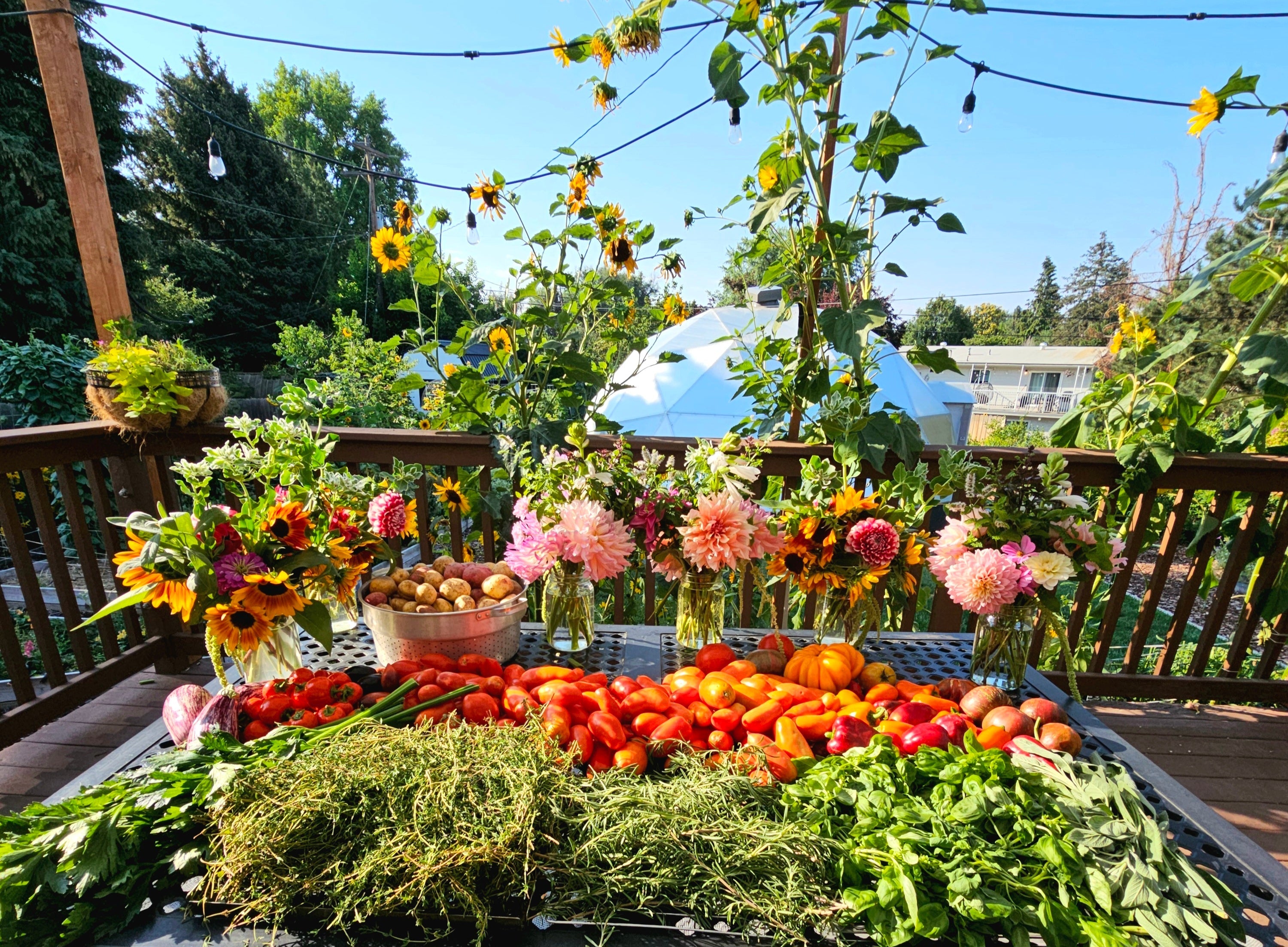
Image: “Organic fertilizers support abundant yields and resilient plants in container and raised bed gardens.”
By choosing high-quality organic fertilizers, tailoring your regimen to suit plant needs, and nurturing the living soil in your containers and raised beds, you set the stage for beautiful, sustainable, and productive gardening, no matter your space or experience level.
Share:
How to Choose the Best Organic Fertilizer for Your Garden
Organic vs. Synthetic Fertilizer | Which Is Best for Your Garden?