

Organic vs. Synthetic Fertilizer: What’s Best for Your Garden
Choosing the right fertilizer is key to successful, sustainable gardening. Gardeners often wonder: should they reach for organic options or synthetic solutions? Understanding the difference can save time, money, and protect the health of your soil and plants.

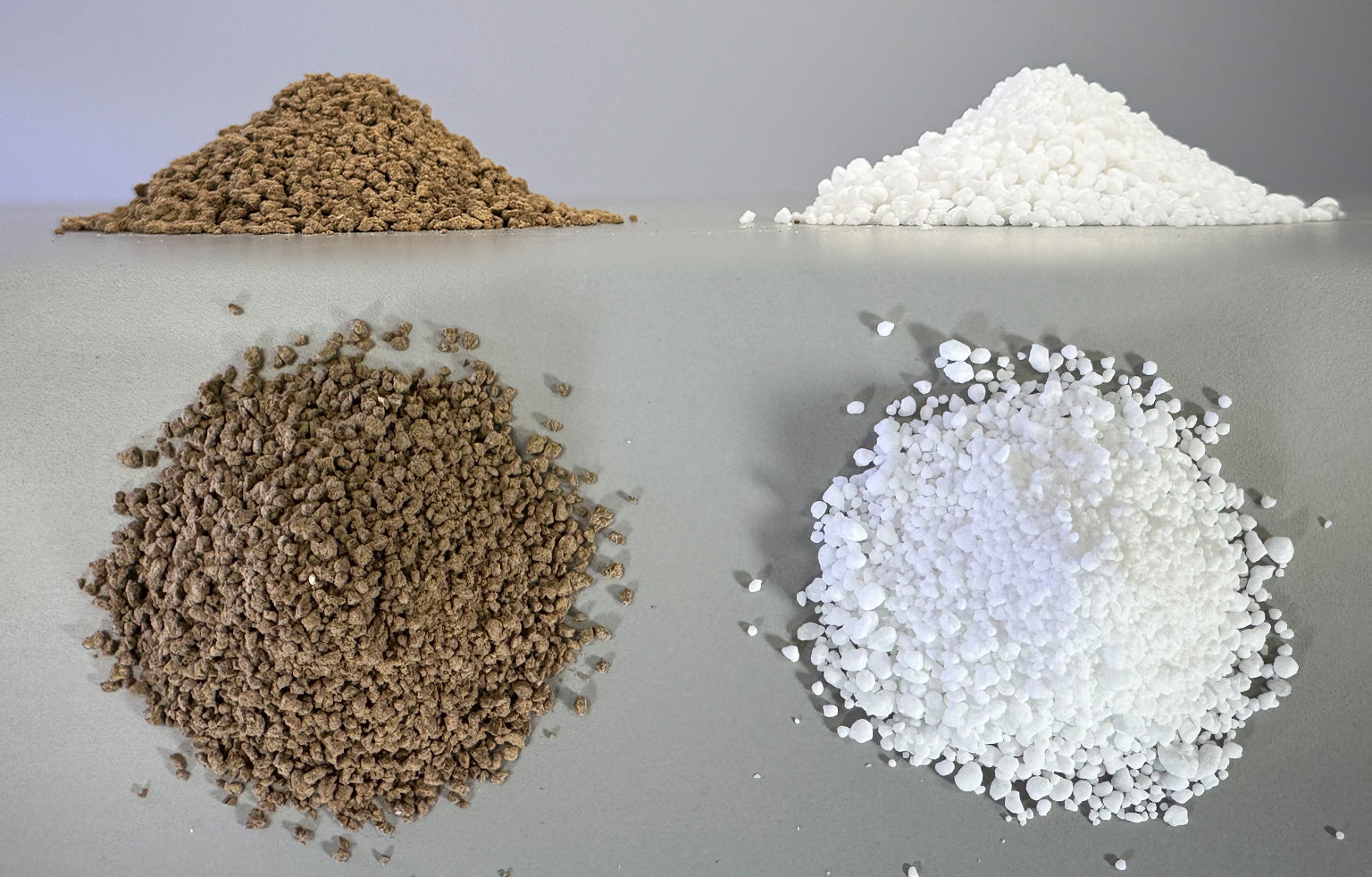
Image: Organic and synthetic fertilizers have distinct appearances and nutrient delivery methods—understanding the difference is key for gardeners
What Are Organic Fertilizers?
Organic fertilizers are derived from natural sources such as compost, manure, bone meal, animal byproducts and plant byproducts. They enrich the soil with organic matter, improve soil structure, and promote healthy microbial activity. Nutrients are released slowly and gradually, feeding plants over an extended period and offering environmental benefits such as improved water retention and reduced risk of runoff.
-
Boost long-term soil health and fertility
-
Provide steady nutrient release matched to plant needs
-
Are safe for beneficial microbes and the environment

Image: Organic fertilizers improve soil structure and boost earthworm activity, promoting long-term garden health
What Are Synthetic Fertilizers?
Synthetic fertilizers are manufactured from industrial chemicals and minerals, and may be formulated for rapid nutrient delivery or utilize slow release technologies. They often act quickly to promote fast growth, offer precise nutrient ratios, and are typically lower in cost. However, their nutrients can leach away rapidly, may damage soil structure over time, and carry higher risks of root burn and environmental pollution if misused.
-
Act fast and provide immediate plant response; more predictable
-
Offer consistent, easy-to-measure nutrient content
-
Higher potential for pollution and root damage with over-use
Comparing Nutrient Availability
Organic fertilizers usually contain lower concentrations of nutrients but improve the soil’s ability to support plants naturally. Their slow-release nature keeps plants from being over-fertilized and ensures nutrients are available when crops need them. Synthetic fertilizers supply nutrients in a form that is immediately available, but can overwhelm plants if applied excessively and do less to build long-term soil health.


Image: Steady nutrient release from organic fertilizers like Origin Fertilizer supports vibrant, sustained plant growth
Using Origin Fertilizer: Fast, Moderate, and Slow Nutrients
Origin Fertilizer is a novel example of how organic products can provide tiered nutrient availability. It features ingredients that are quickly, moderately, and slowly released into the soil, meeting plants’ needs through all stages of growth when used as directed. This blends the instant boost familiar in synthetics with the extended, low-stress feeding of organic nutrients. Origin Fertilizer’s design allows gardeners to benefit from healthy growth without the risks often associated with synthetic products, while also building long-term soil fertility.

Image: Origin Fertilizer provides fast, moderate, and slow-release nutrients for continuous plant feeding throughout the season
Which Should You Choose?
For most home gardeners, organic fertilizer provides the greatest benefit thanks to its steady feeding and soil enrichment abilities. Synthetic fertilizers can help in emergency situations needing fast green-up, but should be used judiciously to avoid negative environmental and soil effects. Origin Fertilizer offers a flexible option that caters to both immediate plant needs and long-term garden health.
-
Choose organic if you want to improve soil structure, microbial health, and plant resilience
-
Use synthetic sparingly when rapid results are needed or deficiencies must be corrected quickly
-
For the best of both worlds, use Origin Fertilizer as it supplies fast, moderate, and slow nutrients for healthy growth throughout the growing season

Image: Soil tests and label instructions are essential for applying the right product in the right amount for optimal results
Adopting the right fertilizer strategy means better harvests, sustainable soil, and flourishing gardens for years to come.
Share:
Organic Fertilizer for Containers and Raised Beds | Healthier Plants